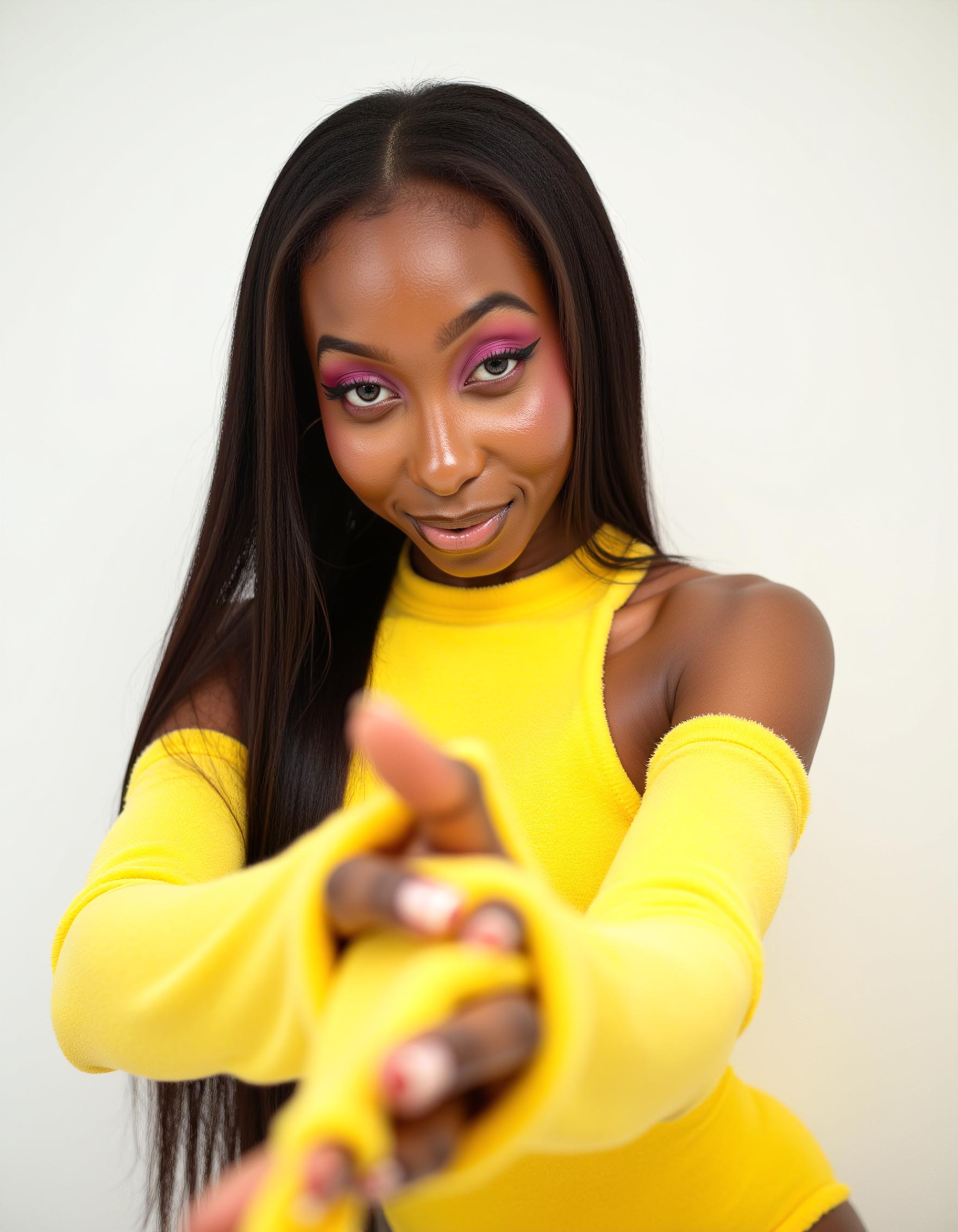
A blank experience section can make you feel like you have nothing to offer. But being new does not mean you need to exaggerate, apologize, or leave your professional materials unfinished.
If an opportunity asks for a model resume, start with what you can honestly show today. That might be training, a test shoot, a student fashion show, relevant work, or a skill you can demonstrate. Here is how to turn those details into a clear first resume.
First, check whether a resume is requested.
A resume summarizes your background in words. Your portfolio shows your photographs, and your comp card provides a compact visual introduction. Each has a different job.
Follow the opportunity’s instructions. If it asks only for digitals and measurements, send those materials. You do not need to attach an extra document to prove you are serious. Keep a resume ready for situations where it is requested or where a concise account of your training and skills would be useful.
Build a simple contact section.
Put your professional name at the top, followed by your city or working market, a professional email, and a working portfolio link if you have one. Use contact information you actually check. If you are represented, follow your agency’s directions about which booking contact to list.
A city is enough for this introduction; leave your home address off. Add measurements or sizing only when the recipient requests them or when they help this particular application. Keep those details current and consistent with your other materials.
Lead with your strongest relevant section.
You do not have to put an empty “Professional Experience” heading at the center of the page. If training is your strongest material, place it first. If you have completed relevant projects, start there instead.
Harvard’s general resume guide recommends specific, factual language and tailoring content to the opportunity. Those are useful writing principles here, too; this outline is a starting point, not a universal modeling application requirement.
Describe training without inflating it.
Relevant training could include a completed posing workshop, runway class, acting course, movement class, or another learning experience connected to the work you want. List the actual course or workshop name, provider, and completion date. If it is ongoing, label it that way.
Then add one brief detail about what you practiced. “Practiced runway turns and pacing” tells the reader more than “learned everything about modeling.”
Keep independent practice separate from formal instruction. Watching tutorials does not make you certified. Buying a guide does not mean you completed a course. You can describe a structured personal practice project honestly, but you do not need to list every resource you have opened.
Give test shoots and projects accurate labels.
No paid bookings and no relevant experience are not always the same thing. A completed test shoot, student production, or community fashion event may give you something useful to describe. The key is naming the work precisely.
- Test shoot: Describe the concept, your role, date, and a relevant action you performed.
- Student or community fashion show: Name the event and your role without presenting it as a major fashion-week credit.
- Self-directed project: Label it as personal work. A shoot featuring a product you bought is not automatically a campaign for that brand.
Use the real names of collaborators where appropriate, and do not imply endorsement, publication, employment, or representation that did not happen. If you have not completed any projects yet, leave the section out. A shorter honest resume is a useful starting point.
Choose skills you can demonstrate.
Think about what you could comfortably show if someone asked you to demonstrate it tomorrow. Depending on the opportunity, relevant skills might include dance, swimming, a sport, speaking another language, playing an instrument, or presenting to a camera.
Be precise about your level. Conversational Spanish is different from fluent Spanish. Taking a few dance classes is different from advanced dance training. Include certifications only if they are real and current, and do not claim a physical skill you cannot perform safely.
Instead of filling the section with “hardworking,” “passionate,” and “photogenic,” choose a few concrete abilities that help someone understand how you could contribute.
Use other work experience selectively.
You do not need to copy your entire employment history onto a model resume. Choose a small amount of relevant experience if it adds something useful. For example, product demonstrations, customer-facing events, or presenting information to groups may show skills that connect to a particular commercial opportunity.
Describe what you actually did. “Demonstrated skincare products to customers” is clearer than relabeling a retail role as a modeling contract. Include education when it supports the application, and keep unrelated detail brief.
A beginner model resume outline you can use.
The structure below contains placeholders, not sample credentials. Replace each bracket with your own information and delete any section you cannot support.
[YOUR PROFESSIONAL NAME]
[City or market] · [Professional email] · [Portfolio URL, if available]
TRAINING
[Actual class or workshop] · [Provider] · [Completion date or ongoing]
[One relevant skill practiced]
SELECTED PROJECTS
[Accurately labeled project] · [Your role] · [Date]
[One sentence describing what you did]
RELEVANT EXPERIENCE OR EDUCATION
[Role, qualification, or activity] · [Organization] · [Dates]
[A detail that supports this opportunity]
SKILLS
[Skill and honest level] · [Skill and honest level]
Make the page easy to read and share.
For a first resume, aim for one readable page with consistent headings, spacing, and dates. Give the text room to breathe. Do not shrink the font to fit unrelated information or use decorative styling that makes names and details hard to scan.
Unless another format is requested, save a PDF and open it on your phone before sending it. Check every link, spelling, and date. Use a clear filename such as FirstName-LastName-Model-Resume.pdf, and keep an editable copy for updates.
If you want help organizing the materials around your resume, explore the Portfolio Starter Kit. If you would like help presenting your actual background in a finished layout, the Model Resume Creation service can support that next step.
You are allowed to look like a beginner.
Your first resume should represent your current stage clearly. It can grow as you complete training, collaborate on projects, and book work. There is no need to make a short history sound like a long career.
Be specific. Be prepared. Let the page reflect what you have done and what you can demonstrate. Professional presentation starts with being someone people can trust.