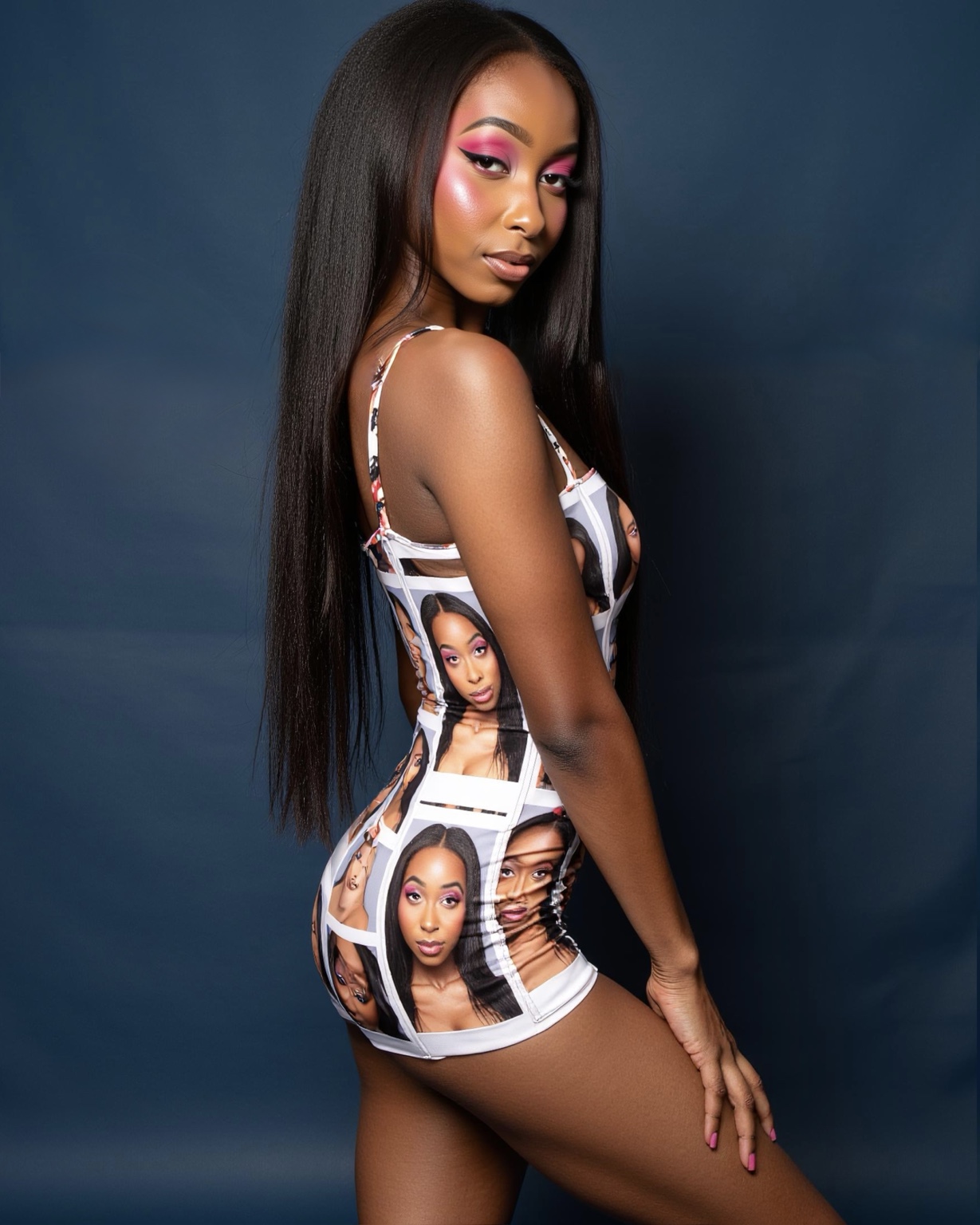
You arrive prepared. You know your angles. You have practiced your expressions. Then the photographer says, “Give me less,” “Drop the shoulder,” or “That is not quite it.” Suddenly, a simple adjustment can feel like a verdict on your talent.
It is not. Taking direction is part of modeling. The goal is not to arrive knowing every frame the client has in mind. The goal is to listen, adjust, and stay present without letting one note shake your confidence.
Listen for the action inside the note.
Some direction is beautifully specific: “Turn your right shoulder toward the light and soften your hand.” Other direction is broad: “Make it cooler,” “Give me more energy,” or “Look expensive.” When a note feels vague, listen for the change it is asking you to make.
Does the photographer want a different body shape, facial expression, pace, energy, or relationship to the product? Translate the note into one physical action instead of trying to change everything at once.
Make one clean adjustment at a time.
If you change your chin, shoulders, hands, expression, and stance all at once, nobody can tell which adjustment improved the shot. Start with the exact note you were given. Hold everything else steady for a frame or two, then build from there.
This also helps you look composed. You are showing that you heard the direction and can apply it with control. If the team wants more, they can guide the next change.
Confirm the note without overexplaining.
You do not need to apologize every time someone redirects you. A quick “Got it,” a nod, or repeating the important part—“Chin down and eyes here?”—keeps the work moving.
Avoid filling the silence with reasons why the last pose did not work. The set does not need a defense. It needs your next strong attempt.
Ask a useful question when you truly need clarity.
Confidence does not mean pretending to understand. If two notes seem to conflict or the direction is too abstract to use, ask a short question that gives the team an easy choice.
- “Do you want the energy softer or more playful?”
- “Should I keep this body position and change only the face?”
- “Would you like smaller movements or bigger transitions?”
- “Am I playing to this camera or the one on my left?”
Specific questions sound prepared because they show that you are already thinking in visual options.
Do not turn neutral feedback into a personal story.
On a working set, “again” often means exactly that: do it again. It does not automatically mean you failed. The light may have shifted. A garment may have folded strangely. The client may want another option. The photographer may simply know the frame can be stronger.
Stay with what was actually said. If the note was “relax your hand,” the assignment is to relax your hand—not to decide that everyone regrets booking you.
Reset your body before the next frame.
When you feel yourself getting tense, use a tiny reset that does not interrupt the shoot. Exhale. Unclench your jaw. Drop your shoulders. Shake out your fingers between frames. Then reconnect with the mood of the shoot.
Your body will show the pressure you are carrying. A quiet reset helps you return to intention instead of letting anxiety choose your posture and expression.
Keep your boundaries while staying collaborative.
Being easy to direct does not mean agreeing to something unsafe, unexpectedly revealing, painful, or outside the agreed concept. You can be professional and clear at the same time.
Try: “I’m comfortable adjusting the pose, but I’m not comfortable with that level of exposure. Can we try this angle instead?” Or: “This position is hurting my knee. I can give you a similar shape standing.”
A boundary paired with an alternative keeps the conversation focused on solving the shot. If something feels unsafe, you are allowed to stop.
Review the lesson after the shoot—not during every frame.
After the session, write down the direction you heard more than once. Maybe your hands become tense, your chin lifts as you move, or your expressions change too quickly. Those repeated notes are a practice list, not a list of flaws.
Recreate the directions at home and practice making each adjustment on command. The free 30-Minute Mirror Session can help you work through angles, expressions, hands, and transitions with more intention.
Professional confidence is responsive.
The most confident model on set is not always the one who needs the fewest notes. It is often the one who can receive a note without shrinking, make a visible adjustment, and keep creating.
Come prepared with your own ideas. Stay open to the team’s vision. Protect your boundaries. Then let direction sharpen your work instead of deciding what you believe about yourself.