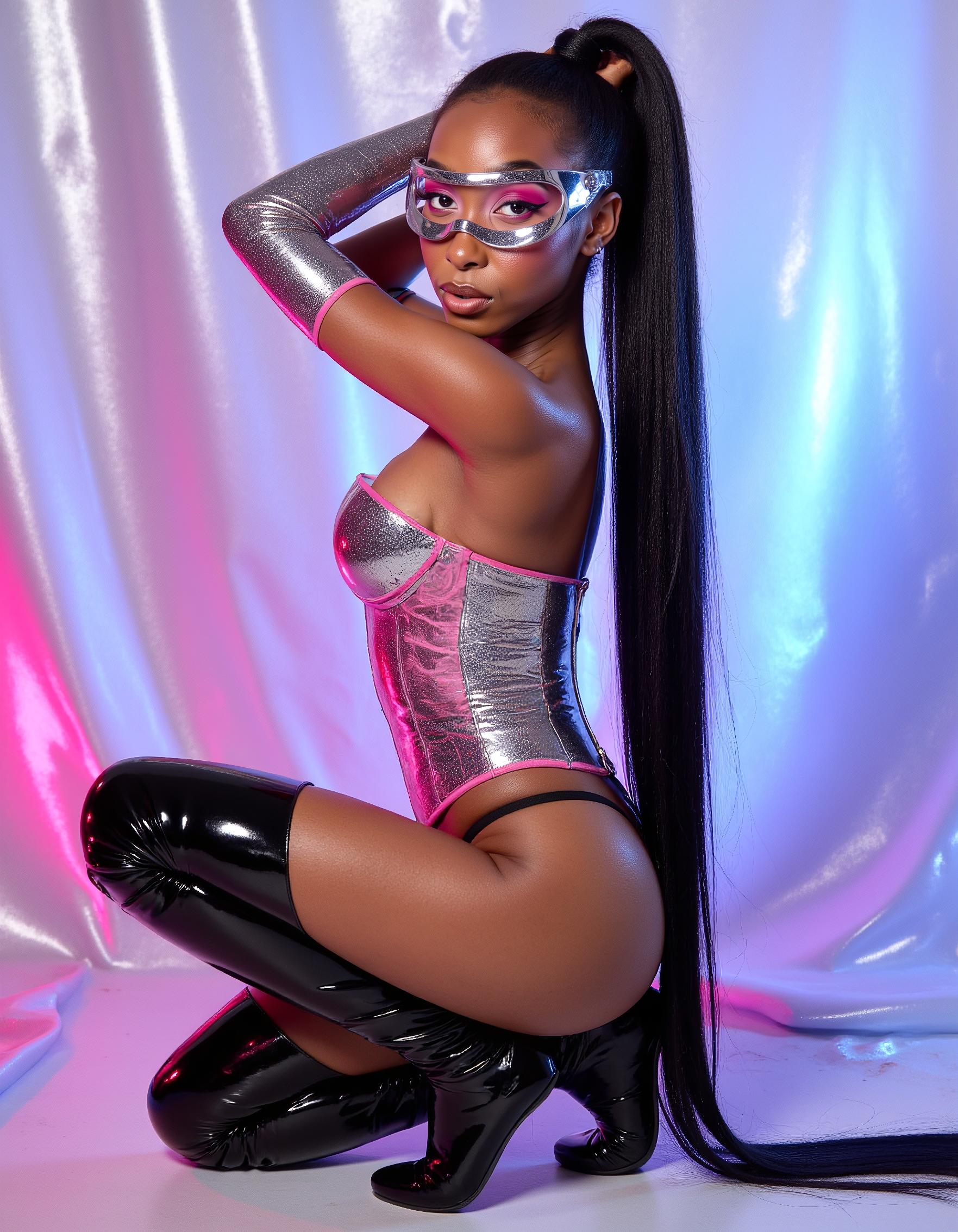
“What type of model are you?” can feel like a question you should already know how to answer. When you are new, the honest answer may be: “I am still finding out.”
That is a useful place to begin. Choosing a modeling lane is not about predicting your entire career. It is about noticing where your current strengths, interests, materials, and opportunities connect—then testing that direction with intention.
Understand what a modeling lane does.
A lane helps people understand how they might use your look and abilities. It can guide the photos you create, the poses you practice, the clients you research, and the opportunities you pursue.
You may have one primary lane and one or two supporting lanes. Those choices can change as your skills, appearance, market, interests, and body of work grow. The goal is clarity for your next step, not a label you must keep forever.
Start with evidence from your current photos.
Look at your strongest recent images together. Do not begin with the photo that received the most likes. Look for the pictures that communicate something clearly and still feel believable as you.
Ask:
- Which expressions look natural instead of forced?
- Do I communicate warmth, polish, intensity, movement, softness, or energy most consistently?
- Which crops show my strengths: close beauty images, full-body movement, product interaction, or styled fashion frames?
- Which images make it easiest to imagine me in a real advertisement, website, editorial, or campaign?
- What do my strongest photos have in common?
Patterns matter more than one lucky frame. If your best images repeatedly show approachable expression and natural interaction, commercial or lifestyle work may deserve testing. If close-ups consistently highlight your face, skin, makeup, or hair, beauty may be worth exploring.
Compare the work, not only the aesthetic.
A lane can look exciting in a finished image while requiring a working style you do not enjoy. Think about the activity behind the picture.
- Commercial and lifestyle: Often centers relatable expression, natural interaction, products, services, or everyday situations.
- Beauty: Places close attention on the face, skin, hair, makeup, hands, or another detailed feature.
- Fashion and editorial: Uses styling, shape, mood, movement, and visual concepts to communicate a point of view.
- E-commerce: Requires consistency across many garments or products while keeping the item clear and useful to the shopper.
- Fitness or wellness: May call for believable movement, body control, and familiarity with the activity being shown.
- Parts modeling: Focuses on features such as hands, feet, legs, hair, teeth, or eyes and often rewards precise, repeatable positioning.
These descriptions are starting points. The exact expectations vary by client, market, project, and agency. Study real work in the category so you understand what the model is being asked to communicate—not only what she is wearing.
Notice the skills that feel natural to you.
Your appearance is only part of your lane. Pay attention to what you can do repeatedly under direction.
Maybe you can create warm expressions quickly, hold a precise beauty angle, move fluidly in clothing, repeat a pose for product continuity, or perform a believable activity. Acting experience can support commercial storytelling. Dance may strengthen movement and body awareness. Knowledge of makeup, hair, sports, or a specific hobby may help you look credible in the right project.
Do not add a skill because it sounds marketable. Choose abilities you can demonstrate safely and confidently when a client asks.
Include your comfort and boundaries.
A promising lane still needs to fit the way you want to work. Consider the clothing, movement, physical contact, locations, products, hours, travel, and image usage commonly connected to the opportunities you are considering.
You may decide that a category interests you, but certain concepts inside it do not. That is allowed. Clear boundaries help you evaluate opportunities before pressure, excitement, or a crowded set makes the decision feel harder.
Research the market available to you.
Your local market may offer different work from a major fashion city. Search agencies, production companies, retailers, beauty businesses, e-commerce brands, photographers, and casting notices in the places where you can realistically work.
Look for repeated needs. Are local clients frequently using models for lifestyle campaigns, bridal work, hair and beauty content, tourism, fitness, or online retail? This does not mean you must chase every visible category. It helps you understand where your interests may meet actual opportunities.
If you hope to work in another market, research the practical side as carefully as the creative side. Consider transportation, availability, lodging, and whether the opportunity makes sense after your costs and time.
Build small tests before making a big declaration.
You do not need five expensive shoots to explore five lanes. Create one focused test at a time.
For a commercial test, practice natural smiles, listening expressions, and interaction with an ordinary product. For beauty, photograph clean close-ups with controlled face and hand placement. For editorial, develop a clear concept and practice stronger shapes or movement. For e-commerce, test whether you can repeat angles while keeping the garment visible.
Review the results with three questions:
- Did the images clearly communicate the intended lane?
- Could I perform this style consistently, not only once?
- Do I want to improve at this enough to keep practicing?
Create a lane scorecard.
Choose up to three lanes you are seriously considering. Give each one a score from one to five in the areas below:
- Evidence: I already have strong photos that support this direction.
- Skill: The required expressions, movement, or precision fit my current abilities.
- Interest: I genuinely want to practice and pursue this type of work.
- Comfort: The typical presentation and working conditions fit my boundaries.
- Access: I can identify realistic clients, collaborators, or castings in a market I can reach.
The highest score is not an order. It shows you where the evidence is strongest today and where you need more information.
Turn your lane into a 30-day plan.
Select one primary lane to test for the next month. Then give yourself four useful actions:
- Study ten current examples of real work in that category.
- Practice the expressions, movement, or product interaction the work requires.
- Plan one focused shoot or self-test that fills a clear portfolio gap.
- Research five relevant agencies, clients, or casting sources and note their requirements.
At the end of the month, review the evidence again. You may confirm the lane, adjust it, or discover that a supporting lane feels stronger.
The Pretty in Pose Model Blueprint and portfolio tools can help you organize that process. If you want an outside view of what your current photos communicate, explore the Model Portfolio Review service.
Your lane should make your next move clearer.
You do not need to shrink yourself to become understandable. You need enough focus to create stronger materials and pursue opportunities that make sense for the model you are building.
Choose a direction. Test it honestly. Keep the evidence that supports you, and give yourself permission to evolve.